
African Music in Brazil – From Samba to Bossa Nova
Music is integral to Brazilian culture, defining sports like capoeira, religions such as Candomblé, and social movements like Ilê Aiyê. Beyond its cultural presence, Brazilian music also illustrates the country’s racial dynamics, particularly in relation to its Black citizens.
In the late 19th and early 20th centuries, Northeast Brazil, especially Salvador in Bahia and Recife, emerged as a thriving centre of musical creativity. These cities housed significant Afro-Brazilian populations and inherited the cultural legacy of Africans forcibly brought to Brazil during the Atlantic slave trade. People from ethnic groups such as the Fon, Ewe, Ashanti, Bantu, and Yoruba contributed significantly to the formation of the era’s music, leaving an indelible mark that continues to this day.
Genres like samba, choro, forró, bossa nova, and funk carioca became cultural phenomena, moulding Brazil’s sonic identity. While samba de roda originated in Bahia, samba as we know it developed in Rio de Janeiro’s Afro-Brazilian communities. Choro emerged as Brazil’s first urban popular music in the 19th century, and forró took shape in the Northeast by the early 20th century. Pioneers like Pixinguinha, Luiz Gonzaga, Jackson do Pandeiro, Tim Maia, Jorge Ben Jor, and Gilberto Gil helped define and elevate these genres.
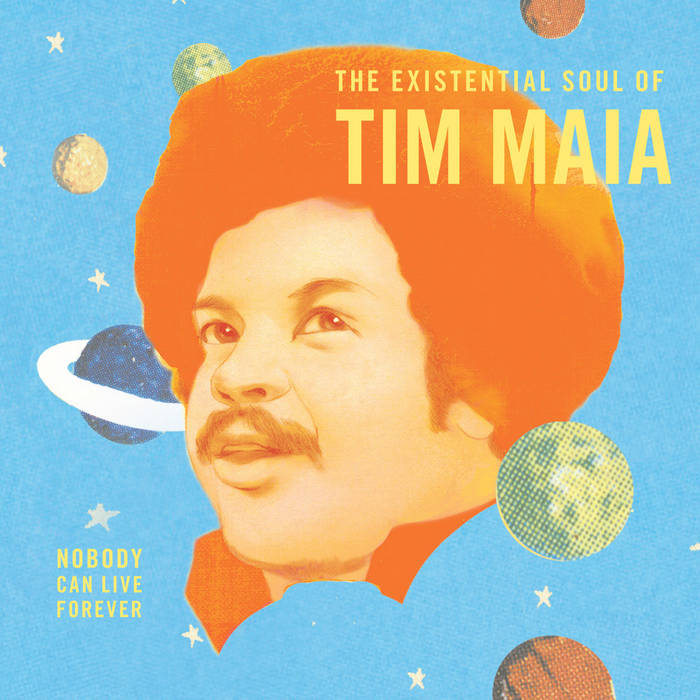
The percussive rhythms, call-and-response patterns, and melodic phrasing common to West and Central African traditions are deeply embedded in Brazilian music. While the Orquestra Afro-Brasileira’s 1957 track “Obaluayê” showcased early efforts to fuse Afro-religious musical traditions with orchestral arrangements, genres like funk carioca later emerged from the hybridisation of Miami bass, hip-hop, and local Brazilian sounds.
In the 1970s, under Brazil’s military regime, Afro-Brazilian musicians resisted oppression by embracing musical styles that reinforced their ties to the African continent. This era fuelled a heightened sense of Black consciousness, exposing the reality of a country often portrayed as a mixed-race paradise but riddled with discrimination and social inequity—a truth reflected in its music. Despite the fusion of international influence, especially in cities like Rio de Janeiro, the African foundations of Brazilian music remain undeniable, continuing to shape its sound today.