OJB Jezreel
The late Lagos-born record producer and singer-songwriter had an active career from the late 1980s until his untimely death in 2016. Renowned for working with notable rappers, he is perhaps best known for producing 2Baba’s 2000s albums Face 2 Face and Grass 2 Grace, both of which spawned countless hits for the Afrobeats star. OJB Jezreel’s production work spanned R&B, hip-hop, Afrobeats, jùjú, and pop, laying the groundwork for the contemporary Afropop scene in Nigeria.

ID Cabasa
Lagos-based music producer and singer ID Cabasa helped define the sound of indigenous rap, hip-hop, and street pop in the 2000s. He produced the bulk of Nigerian singer-songwriter 9ice’s first three albums, including Gongo Aso, which spawned the 2007 hit title track. ID Cabasa’s influence on the Lagos rap scene in the 2000s encouraged indigeneity not only in hip-hop but also in other forms of Afropop.

Don Jazzy
You can’t talk about Nigerian music in the 2000s without mentioning Don Jazzy. It’s difficult to pinpoint a time when the superproducer and singer-rapper D’banj weren’t making hits together; phrases like “No long thing”, “Mo’ Hits Records”, and of course “It’s Don Jazzy Again!” were commonplace back then. Beyond D’banj, Don Jazzy produced numerous songs for other members of Mo’ Hits All Stars, Mavin Records, and more.

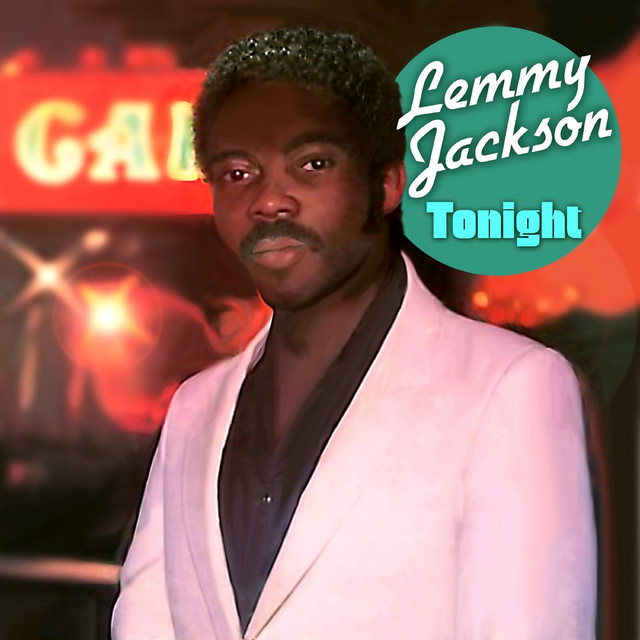
Lemmy Jackson
With a legendary ear for music, Otu Udofa—better known as Lemmy Jackson—was a prominent figure in the 1980s Nigerian music scene. Working across various genres, Lemmy Jackson contributed to most forms of Afropop, collaborating with the likes of Christy Essien-Igbokwe, Ras Kimono, Onyeka Onwenu, Oby Onyioha, King Sunny Ade, and more.
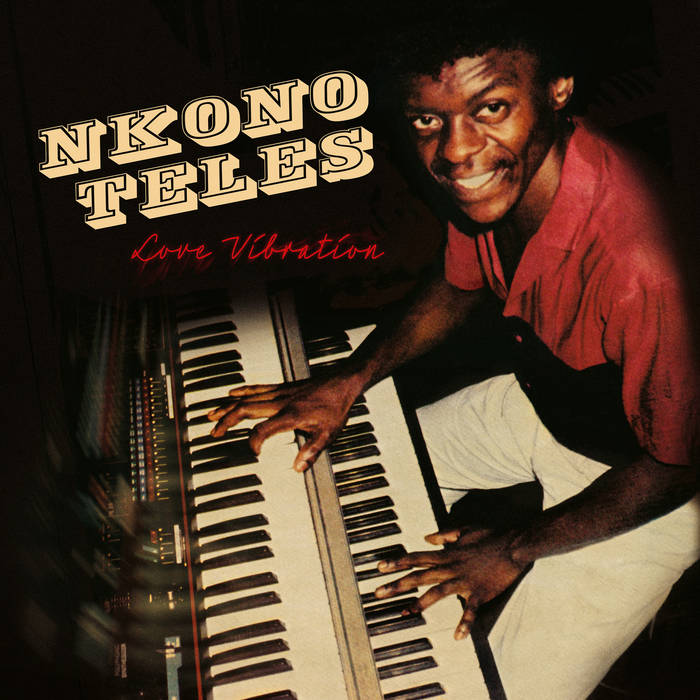
Nkono Teles
Cameroonian-Nigerian multihyphenate Nkono Teles was often called upon to create innovative and futuristic sounds for musicians in the 1980s. Funmi Davies, Majek Fashek, and Mandy Brown-Ojugbana were just a few of the preeminent artists whose projects Teles worked on. Credited with over 150 productions, his talent in the 1980s was undeniable.
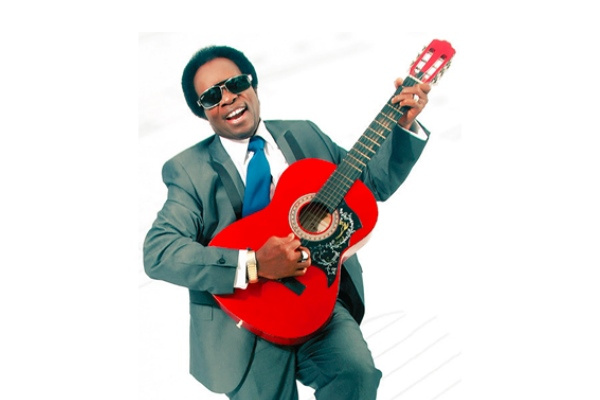
Victor Uwaifo
Although a prolific instrumentalist, singer, and bandleader, Sir Victor Uwaifo—whose career began in the 1960s—was also a notable producer. The “Guitar Boy” singer was known for arranging and co-producing albums for artists, including South-South acts such as Ijaw Highlife musician Chief Echo Toikumoh and Edo band Dombraye Aghama & The Stars of Benin in the late 1970s.
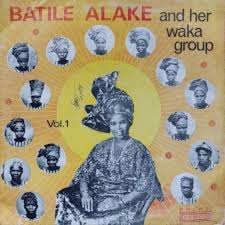
Alhaja Batile Alake
Though not a producer in the traditional sense, Alhaja Batile Alake composed her own songs, adapted percussive styles, and popularised waka, a Yoruba musical genre with Islamic influences. Her work as a singer was prominent during the 1950s and 1960s, and she was groundbreaking in influencing women artists who would go on to revolutionise the genre.